$0.00


AI Summary:
Pool grating replacement should be planned around channel width, site use, visibility, the condition of the existing plastic and the look of the pool deck. Singapore pools face sun, heavy rain and chlorinated water through the year, and debris can build up in the overflow channel. Recording dimensions, module type and corner details in advance makes future replacements easier to specify when damage appears.
Pool gratings are a maintenance line item an MCST council should plan and budget for, because colour and width choices affect visibility, fit, downtime and how quickly a damaged edge can be made safe.
At Chan Cheong Metal & Plastic Works, we have been making pool gratings in Singapore since 1985. For anyone reviewing swimming pool grating Singapore options after cracks appear along the pool edge, the choice goes well beyond matching a tile.
Singapore pools face sun, heavy rain and chlorinated water through the year, and debris and algae can build up in the channel. A council holding the sinking fund needs a replacement plan that is practical to inspect, specify and reorder before a small defect becomes a resident complaint.
Key Takeaways
- Treat pool gratings as a planned maintenance item, with regular checks for cracks, brittleness, loose sections and blocked channels.
- Record the channel width before ordering replacements, especially in older pools where the original opening may not match common fixed widths.
- Choose colour with both appearance and visibility in mind. Our PP gratings come in grey, beige, milk and black as standard, with white and customised colours available as special colours.
- Match the grating to site use. The 300mm module is recommended for residential and light commercial use, while the 350mm module is heavy-duty for commercial pools and high-footfall sites. However, the appropriate module size will ultimately depend on the drain width and should be selected based on the most suitable fit for the specific application.
- Keep replacement details on file so damaged sections, corners and sump areas can be specified more quickly when repairs are needed.
Why an MCST Should Treat Gratings as a Planned Line Item
An MCST manages common facilities, funds and resident expectations, so choosing a grating that fits properly and stays in good condition is part of good governance.
From our side of the job, a sensible rhythm is a regular visual inspection, with replacement budgeted when cracks appear or the plastic turns brittle. We would record the following:
- cracked, loose or missing sections
- brittle areas, distortion and damaged corners
- debris or algae in the overflow channel
That record gives the council a practical basis for expenditure before a resident report forces the issue. It also prepares the council for what happens when a crack becomes a break.
What Happens When a Grating Breaks
A broken grating can turn a small defect into an access problem quickly. A cracked or missing grating leaves the overflow channel open at the pool edge, and operators may have to close the affected area or stretch until it is replaced.
Residents see the barrier, complaints reach the managing agent, and the council has to explain the response. Keeping the installed profile on record makes it much quicker to identify what fits. We manufacture our gratings in Singapore, so a council can come to us directly with its measurements and photos of the damage.
What Colour Does at the Pool Edge
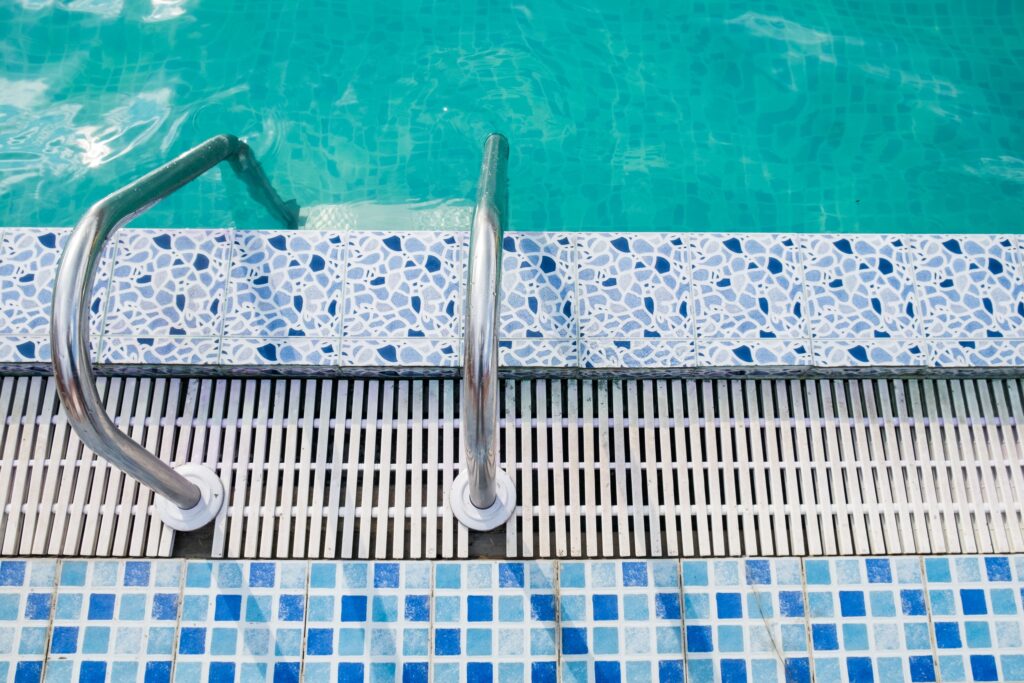
Colour changes how strongly the overflow line stands out against the coping, which affects both visibility and finish. We treat it as a specification choice.
How Contrast Helps Swimmers
Contrast can make the pool edge easier to pick out for older swimmers and people with poorer eyesight. A darker grating against pale coping can create a clearer edge line where glare or wet surfaces reduce visual definition.
A Matching Colour Makes the Channel Recede
A matching colour makes the overflow channel visually quieter by bringing the grating closer to the coping. That can reduce the visual break around the pool. We discuss this after width and condition are settled, then consider outdoor exposure.
Choosing From the Available Colours
Our PP gratings come in grey, beige, milk and black as standard. White and customised colours are also available as special colours, which helps when a pool deck follows a specific design scheme. Colours shown on our website are a guide only, so it is worth confirming your choice with us before you order. Send us photos of the pool edge, and we can talk through the options. Width is a separate decision, which becomes important when the channel is an unusual size.
What If Your Channel Is an Odd Width
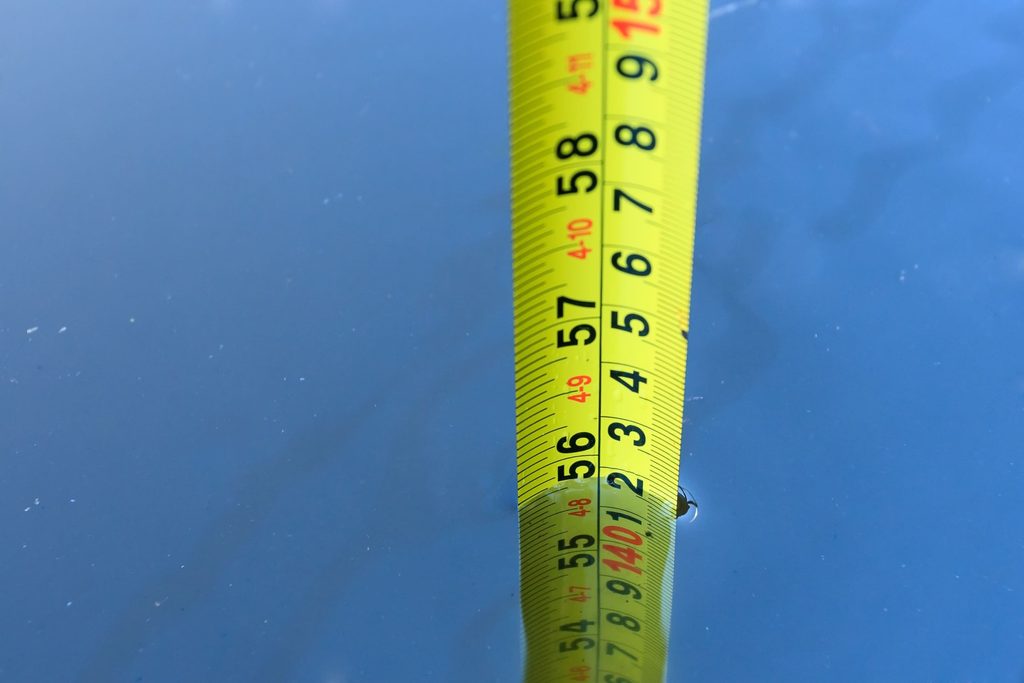
An odd-width channel can sometimes be addressed without rebuilding the whole pool edge, provided the opening is measured first, and the project suits a custom-moulded width. Older condominiums can have channels outside common fixed retail widths.
For large-scale or specialist projects, custom widths can be moulded, while small adjustments can be trimmed on site with a hand saw or fine-tooth power saw.
When a council sends a drain grating Singapore specification, we start from the channel rather than copying a worn part that may have distorted over time.
Why We Make Pool Gratings From PP
We make our pool gratings from PP. Every grating we produce has an anti-slip surface built for Singapore’s tropical climate and chlorinated pool water. Our PP grating is engineered to last 10 years or more in typical Singapore pool applications when it is used and handled with appropriate care.
Our PP Sump Cover is reinforced with stainless steel rods and angle bars for spots where standard grating cannot fit. When we review a swimming pool drain grating specification, we check width, support, drainage and the surface under bare feet.
What the Grating Surface Offers
Our grating has an anti-slip ribbed top surface, with slots spaced to prevent finger and toe entrapment. If your project has particular surface requirements, mention them when you send your enquiry so we can review them with you.
Planning the Replacement
A replacement plan works better when the council records the fitted module, channel dimensions and corner or access pieces. We supply a 300mm-wide PP module at 16mm thick and 25mm high for residential and light commercial use, and a 350mm-wide module at 20mm thick and 25mm high for commercial pools and high-footfall sites.
PP Angle Corners give a factory-finished 90-degree corner joint without on-site cutting. Where standard grating cannot fit, the PP Sump Cover keeps drainage accessible.
If you are planning a replacement, send us your channel measurements, site use and photos of the damaged areas through our contact page. We can review the details and help you identify the grating width, module and supporting pieces needed for the pool edge.
Frequently Asked Questions
What Colours Are Available for PP Pool Gratings?
Our PP pool gratings come in grey, beige, milk and black as standard. White and customised colours are available as special colours. Send us photos of your pool edge, and we can help you choose.
Can Gratings Be Made for a Non-Standard Channel Width?
Yes. Custom widths can be moulded for large-scale or specialist projects, while small adjustments can be trimmed on site with a hand saw or fine-tooth power saw.
Does Grating Colour Affect Safety?
Colour can affect how clearly the pool edge is seen against the coping, especially for older swimmers or people with poorer eyesight. Consider it alongside fit and lighting.
Can Gratings Be Cut on Site?
Yes. The PP grating can be trimmed with a hand saw or fine-tooth power saw, while PP Angle Corners give a factory-finished 90-degree corner joint.
Which Grating Module Suits My Pool?
The 300mm module is recommended for residential and light commercial applications, while the 350mm module is designed for heavy-duty use in commercial pools and high-footfall areas. However, the appropriate module size will ultimately depend on the drain width and should be selected based on the most suitable fit for the specific application.