$0.00


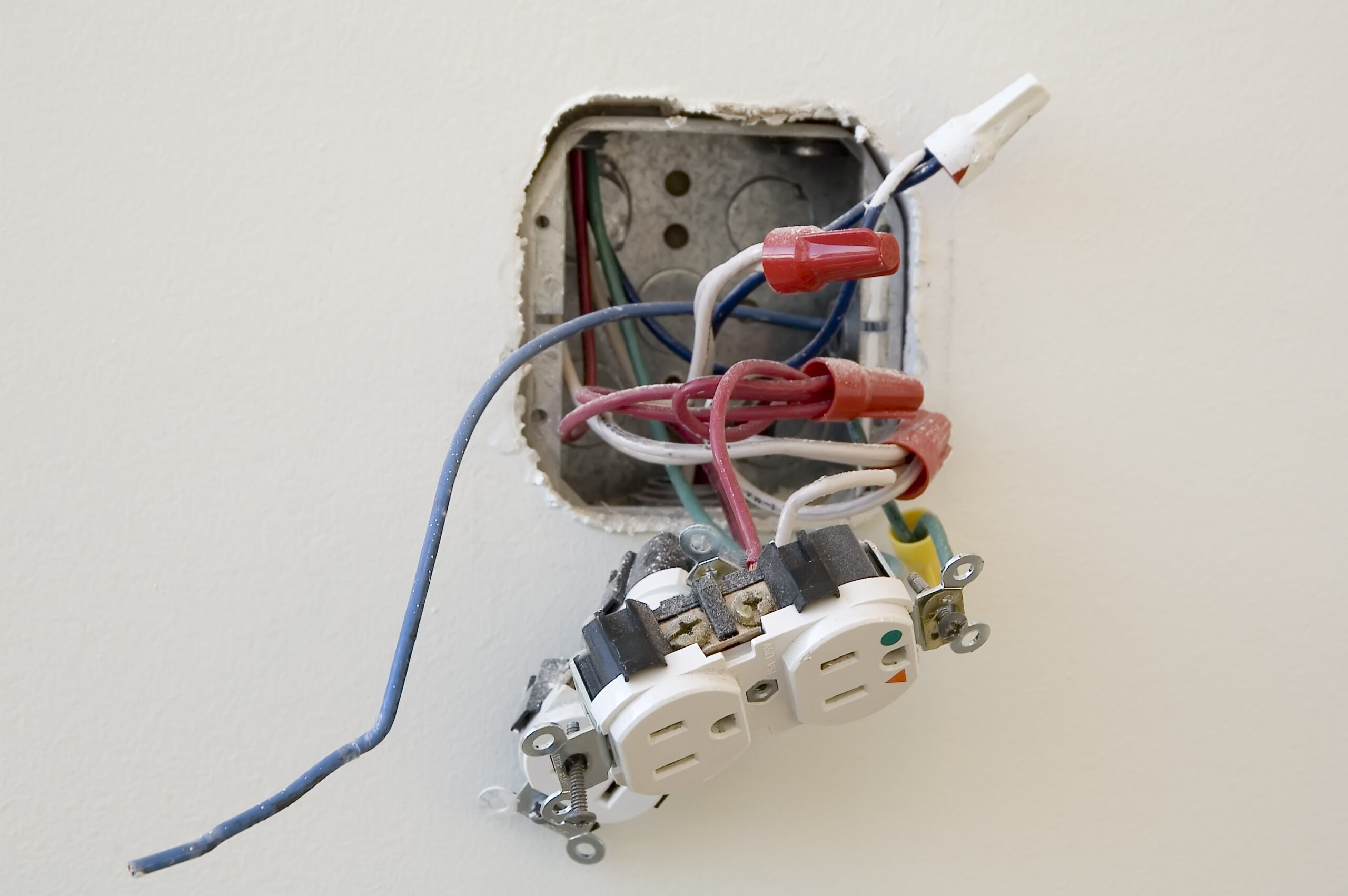
AI Summary:
Single gang, double gang and partition boxes should be chosen from the planned switch, socket and data layout before plastering begins. Smart switches and mixed power-data points can change the space needed behind the faceplate, so the box should be checked against the actual fitting rather than treated as a generic component. Choosing the layout is up to the homeowner, but the wiring should be done by a Licensed Electrical Worker.
A wall box is fixed while the walls are still open, then covered by plaster and the finished faceplate. Changing its size later can mean opening that surface again, so single gang or double gang needs to be settled with the switch and socket layout.
A ‘gang’ refers to how many switch or socket modules the box is intended to take, with one in a single gang box and two side by side in a double gang box. The electrical junction box therefore follows the fitting planned for that position.
Chan Cheong Metal & Plastic Works was established in Singapore in 1985 and supplies electrical junction boxes among its building construction products. We wrote this guide for anyone mid-renovation who needs to settle the single or double gang question before the walls are closed.
Key Takeaways
- Match the wall box to the faceplate and fitting planned for that exact position before plastering starts.
- Use a single gang box for one module and a double gang box for two modules side by side.
- Allow for the extra space. Some smart switches may need to be behind the faceplate.
- Keep the homeowner, designer and Licensed Electrical Worker aligned on the room layout before concealed boxes are fixed in place.
Why Smart Switches Catch Renovators Out
Smart switches catch renovators out because the device body, cabling and connections can need more room behind the faceplate than a conventional switch. Discuss the product choice with a licensed electrician while the walls are open.
A homeowner who buys a smart switch after the walls are closed can find the box too shallow or too full for the device body.
A crowded single gang box leaves little working room once cables, joints and the device body are in place. Even if you are not installing smart switches today, a double gang position where the layout allows can keep the option open. Adding them later means chasing the wall again.
Where power and low-voltage cabling share one wall position, our single gang partition box uses an internal divider to separate power from telephone or data cabling and replaces two separate boxes, which leads into the socket plan.
How the Socket Type Decides the Box
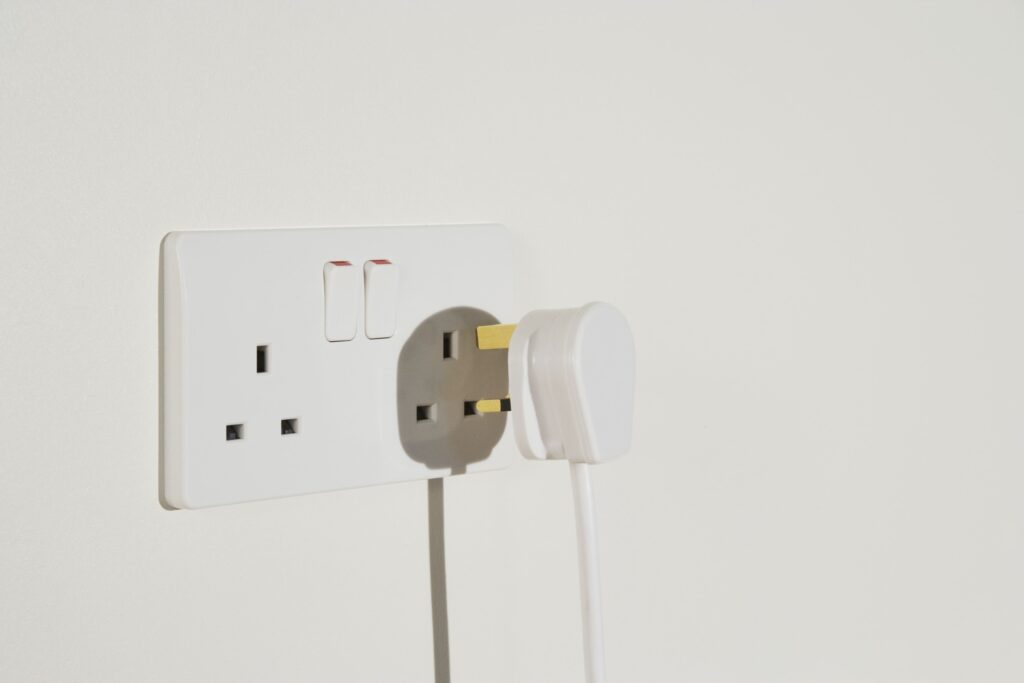
The socket type decides the box because the fitting, faceplate and wall opening have to work together. A light switch, a single socket and a pair of sockets each call for a different box, so name each position before ordering.
If the box does not match the faceplate, the faceplate will not sit properly, and the wall may need to be hacked again.
Tell the designer and licensed electrical worker what each position is meant to do before the box is ordered. The wall schedule can then stay simple:
| Wall Point | Typical Configuration | Box to Discuss |
| Single light switch | One switch module | Single gang box |
| Two switches | Two modules side by side | Double gang box |
| Single 13A socket | One socket module | Single gang box |
| Two 13A sockets | Two modules side by side | Double gang box |
When you mark a junction box on the renovation plan, label its intended use too, because the next question is who supplies it and who carries out the electrical work.
Who Supplies and Installs the Box
Our boxes are available through our online shop, and wholesalers or retailers placing large quantity orders can email us to enquire.
The homeowner chooses the layout, the licensed electrical worker does the electrical work, and the box behind the faceplate can come from a local manufacturer such as Chan Cheong.
Who Is Allowed to Do the Wiring
The homeowner chooses the layout. All electrical work should be carried out by a Licensed Electrical Worker.
What Should Go on the Supply Schedule
The supply schedule should identify the intended fitting and faceplate at each position. If the schedule lists an electrical junction box at a position, ask the licensed worker to confirm the box and faceplate pairing before ordering.
We keep our input to the box, fit and supply side. The next check is the room available behind the faceplate.
How Much Room a Box Needs Inside
Every cable, joint and device body takes up space behind the faceplate. A box that is too small for its contents leaves little room to work.
A double gang box gives a larger opening for two side-by-side modules, but it also means a wider faceplate. Some homeowners prefer two single boxes side by side, so appearance and device layout both belong in the discussion.
We list an Electrical Box Cover Double Gang in our online shop. Smart switches make early planning more useful because some need more depth than a conventional switch, so confirm the chosen device against the available box with the licensed worker before plastering.
The useful question before plastering is whether the chosen device, faceplate and box have been checked together. In an older flat, the existing wiring can add another layer to that decision.
What Changes in an Older Flat
An older flat may change the plan because existing wiring routes, condition and previous renovation work affect what the licensed electrical worker finds. Ask the electrician to assess the existing wiring during renovation, and check renovation guidelines for what is permitted in your flat.
Once the electrician has established what stays concealed and what changes, the room schedule can be turned into a practical box list.
What a Bedroom Layout Looks Like in Practice
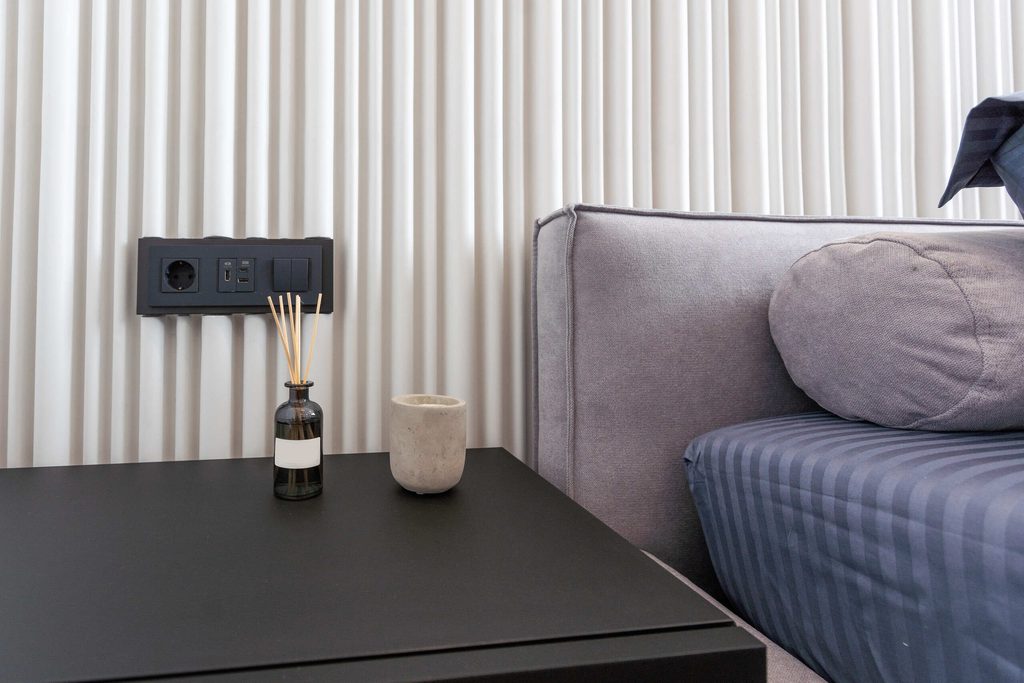
A bedroom layout is easier to plan when each wall point is named by function before boxes are ordered. We recommend setting out a simple schedule like this:
- Bedside double socket: Discuss a double gang box where the selected faceplate carries two socket modules side by side.
- Single light switch: Use a single gang box for one switch module, matched to the chosen faceplate.
- Desk point: Decide whether you want one socket module or two side by side, then match the single or double gang box.
- Room switch position: If smart switches are a maybe rather than a plan, discuss a double gang box here to avoid chasing the wall later.
- Data point beside power: Where power and low-voltage data share one wall position, discuss the single gang partition box with its internal divider.
For homeowners searching for an electrical junction box in Singapore, a room-by-room schedule gives the designer and electrician a clearer basis than ordering boxes by quantity alone. That schedule is also what we would want to see before the plastering date is fixed.
What to Confirm Before Plastering Starts
Before plastering starts, confirm the switch, socket and data-point schedule against the intended faceplates and box types. This is where a short supply conversation can prevent a mismatch between the drawing and the boxes delivered to site.
Chan Cheong Metal & Plastic Works supplies Singapore-made single gang, double gang and partition boxes. Contact us for specifications, pricing and orders.
Frequently Asked Questions
What Does ‘Gang’ Mean on a Wall Box?
It is the count used to match the wall box to the planned switch or socket layout. Single and double positions correspond to one module or two side by side.
Can the Box Size Change After Plastering?
Yes, but altering a concealed opening after finishing may require wall chasing and making good. Planning the box size during renovation can avoid that extra work.
Do You Supply Covers for Double Gang Boxes?
Yes. We list an Electrical Box Cover Double Gang in our online shop.
Can I Order Electrical Junction Boxes in Larger Quantities?
Wholesalers and retailers placing large quantity orders can email us to enquire.
Can I Install an Electrical Box Myself in Singapore?
Electrical wiring work in a flat should be carried out by a Licensed Electrical Worker. Settle the layout and intended fittings early, then leave the electrical work to that professional.